In industries where people are seeking help during vulnerable moments, the approach to digital marketing requires thoughtful adaptation. Mental health, in particular, demands a balance between effective conversion strategies and genuine empathy for those in need.
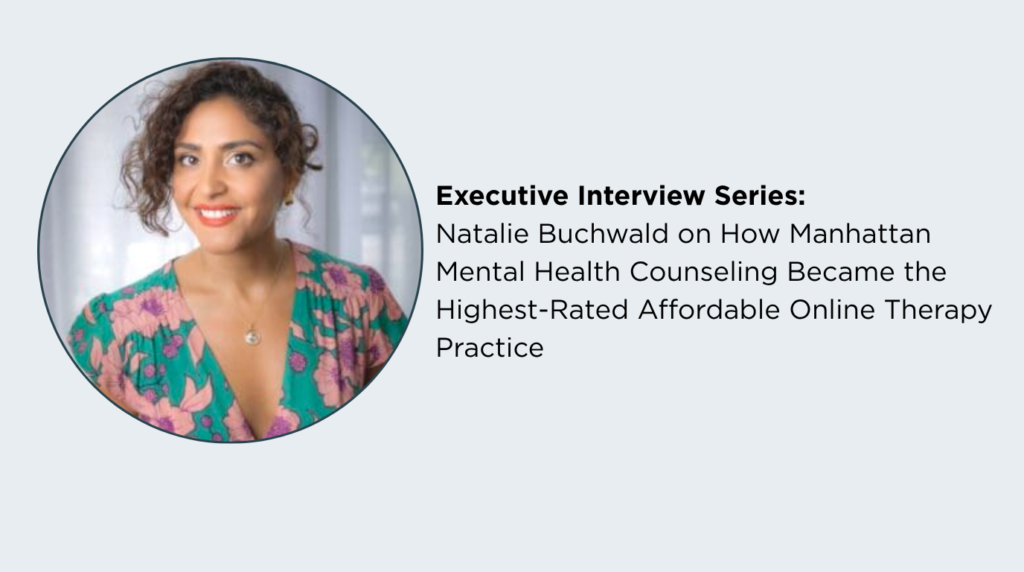
Today we’re speaking with Natalie Buchwald, co-founder of Manhattan Mental Health Counseling, has mastered this balance. Her practice has become the highest-rated affordable online therapy practice in the United States through strategic SEO, authentic content, and messaging that connects with people seeking genuine support.
We sat down with Natalie to discuss how she approaches conversion optimization in the mental health space, how she positioned affordability as a strength, and what service providers can learn from her approach to building trust through digital marketing.

First Page Sage: Traditional digital marketing tends to focus on quick wins, but therapy is a long-term commitment. How do you align your content strategy with the actual patient journey from first search to ongoing care?

Natalie Buchwald: Our content strategy mirrors the therapy process itself. We create awareness content for people who are just beginning to recognize they need support (“signs you might benefit from therapy”), decision-stage content for those evaluating options (“what to look for in a therapist that takes insurance”), and ongoing engagement resources for current clients exploring specific issues (“understanding attachment styles in relationships”). We map keywords to each stage of the patient journey. Someone searching “do I need therapy for anxiety” is in a different place than someone searching “anxiety therapist accepting Aetna near me.”
Our content strategy mirrors this psychological progression. Early content helps people understand their experience. Later content helps them navigate the practical side of getting care. The goal is not just booking an appointment. It is helping someone move from confusion to a clear next step. When you approach content that way, both conversions and retention improve naturally.
First Page Sage: When someone is searching for a therapist, they’re incredibly vulnerable. How do you optimize content for conversion while maintaining ethical boundaries?
Buchwald: We focus on education alongside conversion. Our resources answer the real questions people are asking: “What’s the difference between anxiety and an anxiety disorder?” “Does online therapy actually work?” “How long does therapy typically take?” By providing clinically accurate, accessible information, we build trust throughout the decision-making process.
Our calls to action remain simple and direct. We avoid urgency language or exaggerated promises. When someone books, it is because they feel informed and ready.
First Page Sage: You accept insurance in an industry that often positions “out-of-network” as premium. How did you reframe affordability as a strength rather than a compromise in your messaging?
Buchwald: Effective therapy requires consistency. Consistency requires affordability.
If therapy costs $300 or $500 per session out of pocket, many people simply cannot sustain it long enough to see meaningful change. Accepting insurance allows people to commit to therapy on a weekly basis without financial strain.
We never viewed insurance as a compromise. We view it as making serious therapy accessible.
This approach also aligns naturally with how people search. Many people include their insurance directly in the query:
- therapist that takes Aetna
- therapist accepting Cigna
- therapy covered by UnitedHealthcare
Meeting that need allows us to connect with people who are actively looking for care they can realistically maintain.
First Page Sage: First-time therapy seekers often don’t know what quality looks like. How do you educate prospects through content while positioning Manhattan Mental Health as the obvious choice?
Buchwald: Most people’s idea of therapy comes from movies or social media. In reality, effective therapy involves structured work over time.
Our articles explain what depth-oriented therapy actually involves: exploring attachment patterns, processing trauma, regulating the nervous system. This helps people understand what comprehensive therapeutic work looks like. We also create materials that address specific emotional experiences: hyper-independence as a trauma response, people-pleasing cycles, emotional flashbacks.
When someone reads about an experience that reflects their own inner life, they feel understood.
That moment of recognition is powerful. It also naturally communicates the depth of work our therapists do. By the time someone schedules a session, they already have a clearer understanding of what meaningful therapy involves.
First Page Sage: What advice would you give to mental health practitioners or service providers in vulnerable industries who want to scale ethically through digital marketing?
Buchwald: A few principles matter. First, build trust before you try to scale. Growth that undermines trust eventually collapses. Second, invest in long-form educational content and SEO. Organic visibility attracts people who are actively looking for help. Third, communicate like a human being. Clear, empathetic language performs far better than corporate messaging.Fourth, track the right metrics. Traffic alone means very little. What matters more are:
- qualified inquiries
- completed first sessions
- client retention
- long-term therapeutic engagement
In mental health especially, marketing should not feel like marketing. It should feel like the first step in helping someone access care.