At First Page Sage, we’ve seen how companies that invest in long-term content strategies and SEO build more durable growth over time. But for many brands, especially those focused on immediate performance, making that investment isn’t always straightforward.
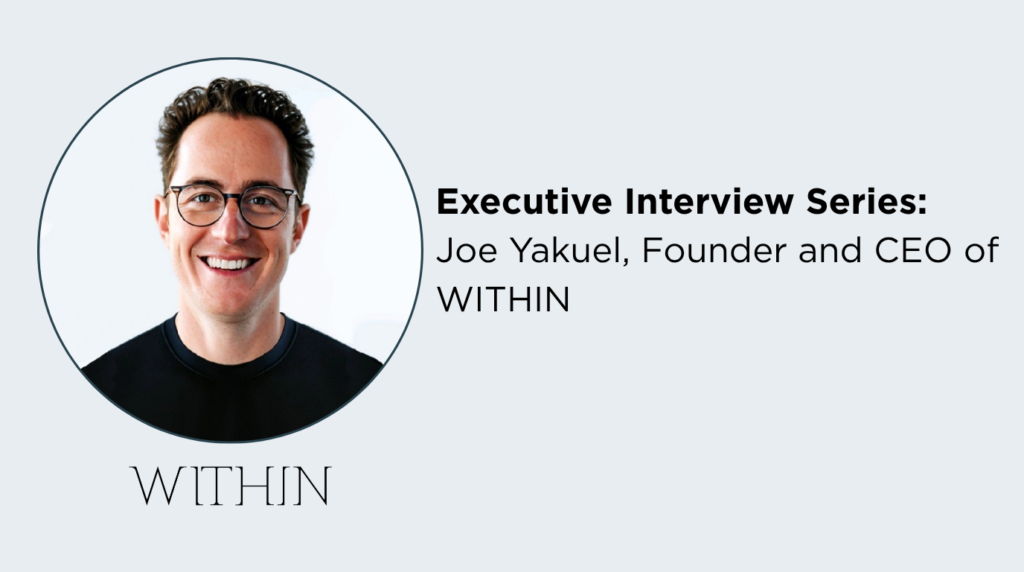
We sat down with Joe Yakuel, founder and CEO of WITHIN, a leading marketing and creative agency known for its work with brands like The North Face, Foot Locker, and Ben & Jerry’s. In this conversation, Joe shares how companies should think about integrating SEO into the full funnel, why short-term performance often creates long-term challenges, and how to approach investment decisions through both a marketing and financial lens.

First Page Sage: How should brands balance long-term content strategies like SEO with short-term performance channels?

Joe Yakuel: It’s less about balance and more about alignment.
Short-term performance channels are great at capturing demand that already exists. Long-term content strategies like SEO are what create that demand in the first place. Performance marketing is focused on people who are already showing intent. Content helps you reach people earlier and build that intent over time.
The most successful brands don’t treat these as competing priorities. They use performance to drive immediate results while content builds a foundation that makes those channels more efficient over time.
First Page Sage: Many companies treat SEO as its own function. How should it fit into a full-funnel marketing strategy?
Yakuel: SEO should follow how people actually buy. People rarely go from one search to a purchase. They look something up, read a few articles, compare options, check reviews, and try to understand which brands are actually right for them. That process can take time.
If your content only answers one type of question, like top-of-funnel “what is this,” it’s valuable, but it’s not enough on its own. The impact comes when you show up across multiple steps, explaining the category, comparing options, and addressing the questions people have before they buy.
At that point, SEO isn’t just starting the journey, it’s supporting the entire decision process.
First Page Sage: Many companies prioritize immediate ROI. How do you convince teams to invest in strategies that take longer to pay off?
Yakuel: It usually comes down to how the business is being measured. Finance is always focused on short-term return, so it’s hard for marketing teams to justify anything that doesn’t show up quickly. Content and SEO don’t always fit neatly into that, so they get deprioritized.
The way to change that is by showing what happens if you don’t invest. Over time, paid gets more expensive, performance plateaus, and you’re forced to spend more just to maintain the same results. When you frame it that way, it’s not really a marketing decision anymore. It’s about reducing long-term cost and risk.
First Page Sage: What’s the risk of over-optimizing for short-term performance at the expense of long-term brand building?
Yakuel: You run out of room to grow. If all you’re doing is optimizing campaigns, you’re working within a fixed pool of demand. You can improve efficiency for a while, but eventually you hit a ceiling.
Without brand and content, you’re not bringing in new audiences or giving people a reason to choose you over someone else. So growth slows, and the only lever left is spending more. That’s when things get expensive fast.